
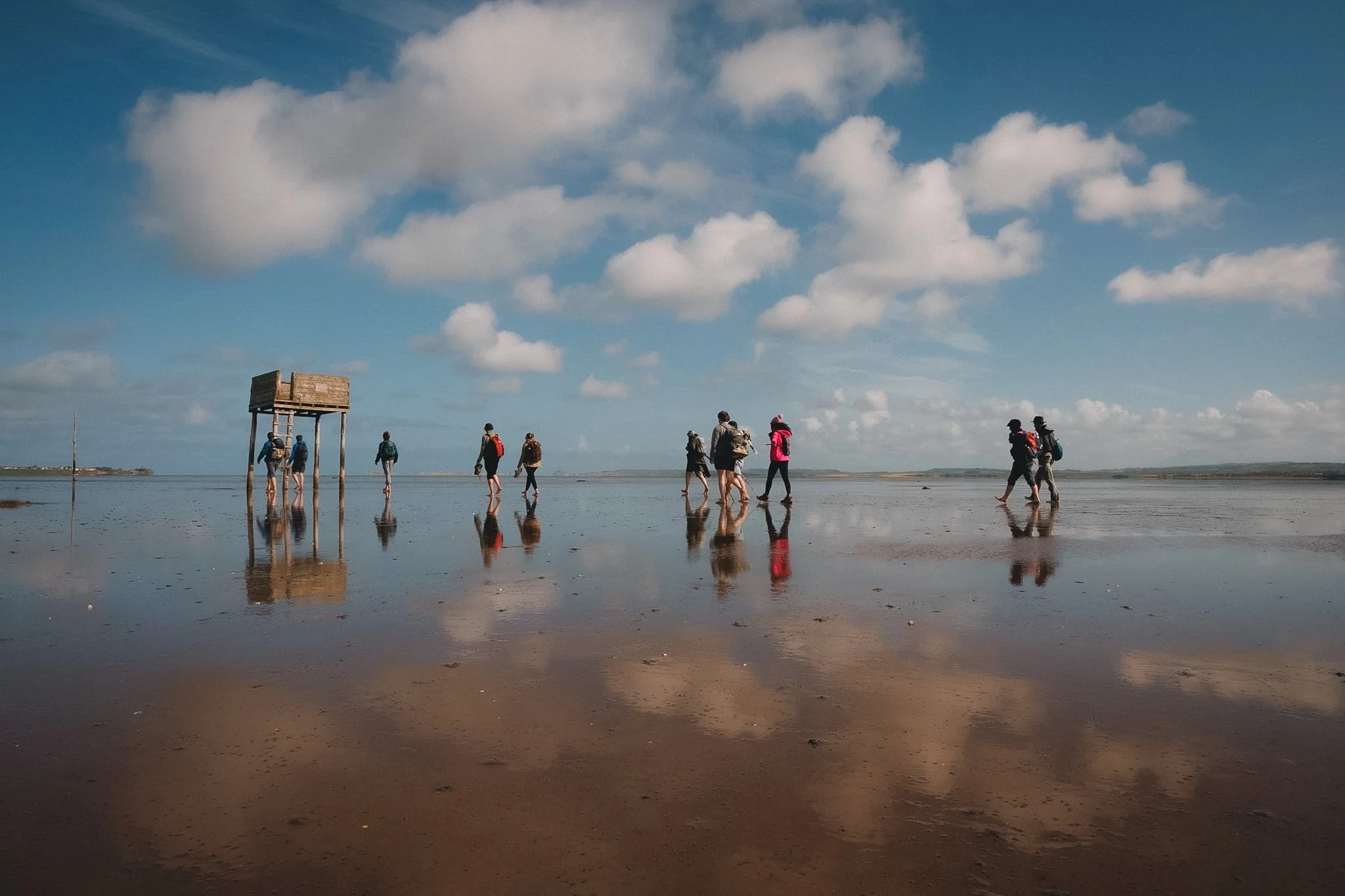
St. Cuthbert’s Way Pilgrimage
Throughout Scripture, God forms his people by calling them to go. Abraham leaves his home trusting God’s promise (Genesis 12). Israel journeys through the wilderness learning dependence and obedience (Deuteronomy 8). Jesus walks from town to town proclaiming the kingdom, and his disciples follow him on the road, learning who he is as they go (Luke 9 -10). Pilgrimage is not about spiritual tourism or self-improvement; it is a way of placing ourselves — body, mind and heart — in God’s shaping work.
For Christians, pilgrimage is an act of discipleship, which is why our journey along St. Cuthbert’s Way is so much more than a fun international trip. It is an opportunity for Fellows to step outside their daily routines, reflect, and connect with God and each other.
About St. Cuthbert’s Way
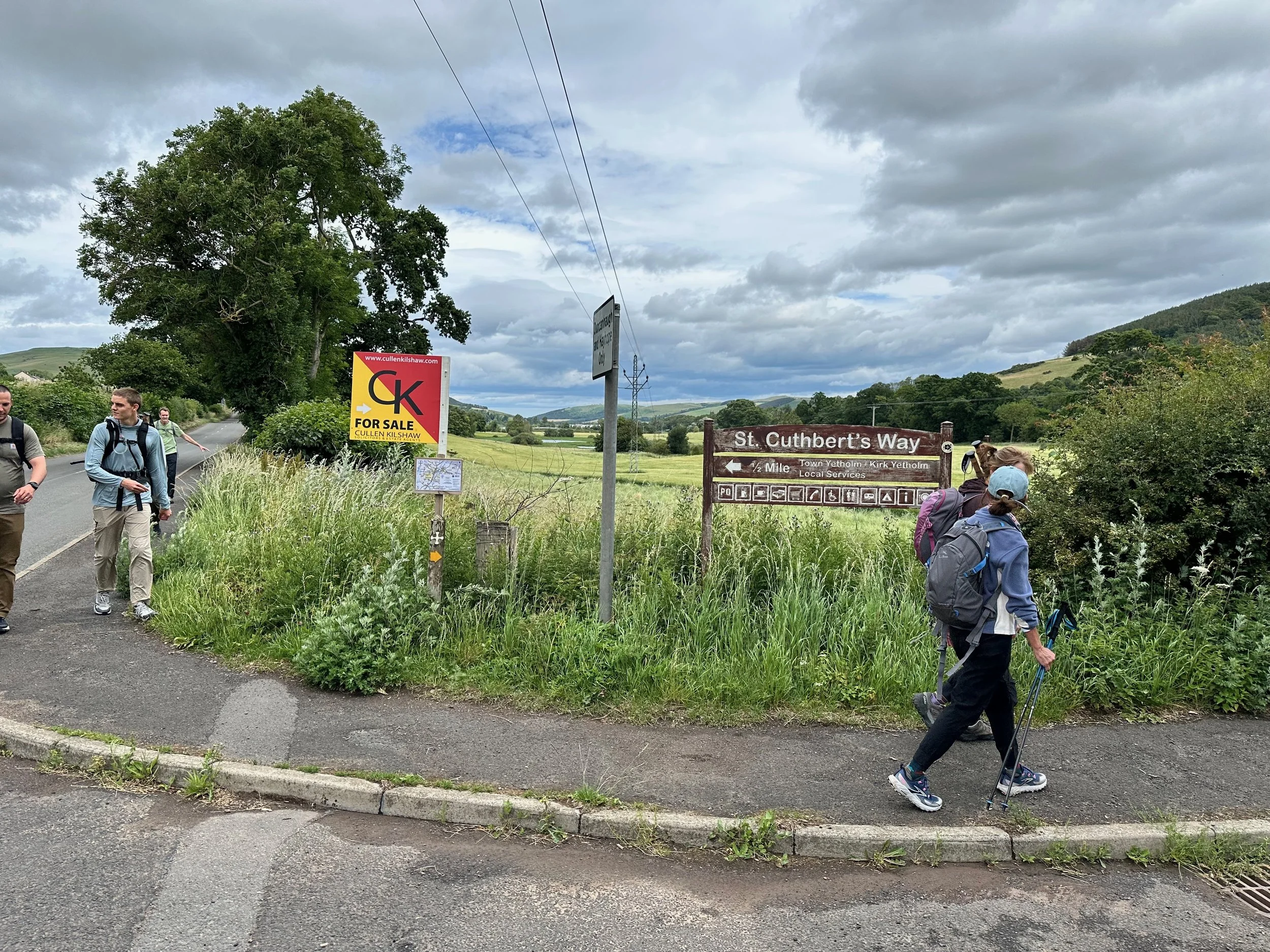
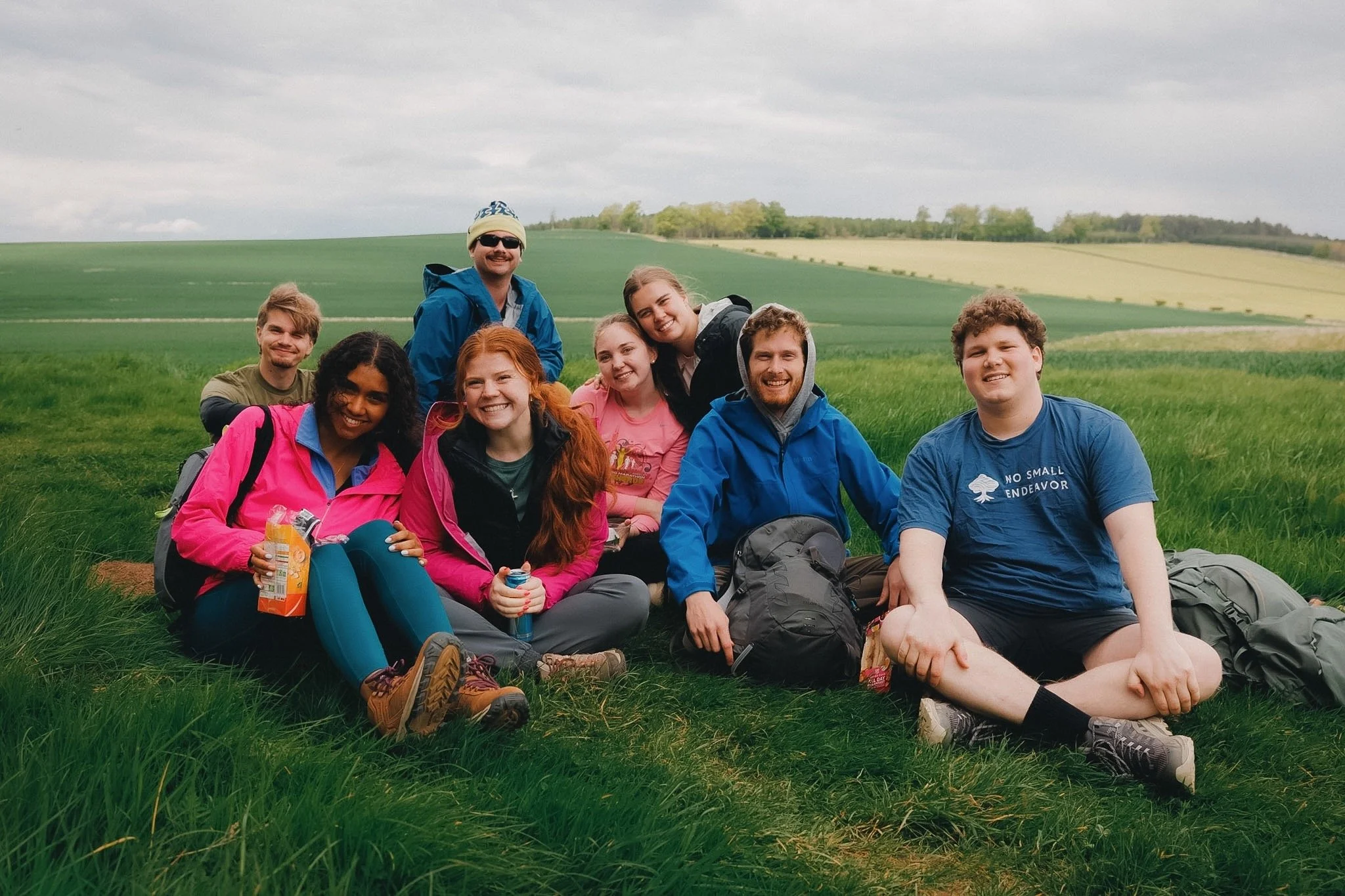
In nearly every way, the Fellows year is an adventure, the first steps recent college graduates take down the path of adulthood. They’re launching new careers, often in a new city, and learning to trust God at every turn as they embrace the unknown. So, it’s only fitting that our time together ends in a pilgrimage where we walk St. Cuthbert’s Way, named after one of North England’s most revered Saints.
This 62.5-mile path between Melrose Abbey in Scotland and Holy Island just off England’s Northumberland Coast gives our Fellows an extended amount of time to disconnect from the stresses of daily life and be present with the Father and each other. They have the chance to reflect on what they’ve learned and pray about what’s next — wherever God is leading them.
Why we walk St. Cuthbert’s Way
For many, a pilgrimage may feel like an ancient practice, and the Fellows year culminating in a spiritual journey through Scotland and England may seem odd or outdated. But we believe it brings together the spiritual, vocational and communal formation of the past year in one epic capstone experience.
Being present and experiencing awe in a technology-free setting
For almost everyone, modern life is busy. Between work, other obligations and social gatherings, young adults rarely have the time to slow down, be present and wonder. As the Nashville Fellows walk through the rolling hills, quiet villages and sacred landscapes shaped by centuries of prayer along St. Cuthbert’s Way, they have the opportunity to do exactly that. This technology-free environment invites awe — not as escape, but as a reorientation. Through the simplicity of walking this path together, Fellows rediscover their smallness, God’s nearness and the beauty of being fully present.
Embracing rich Christian traditions in a post-Christian context
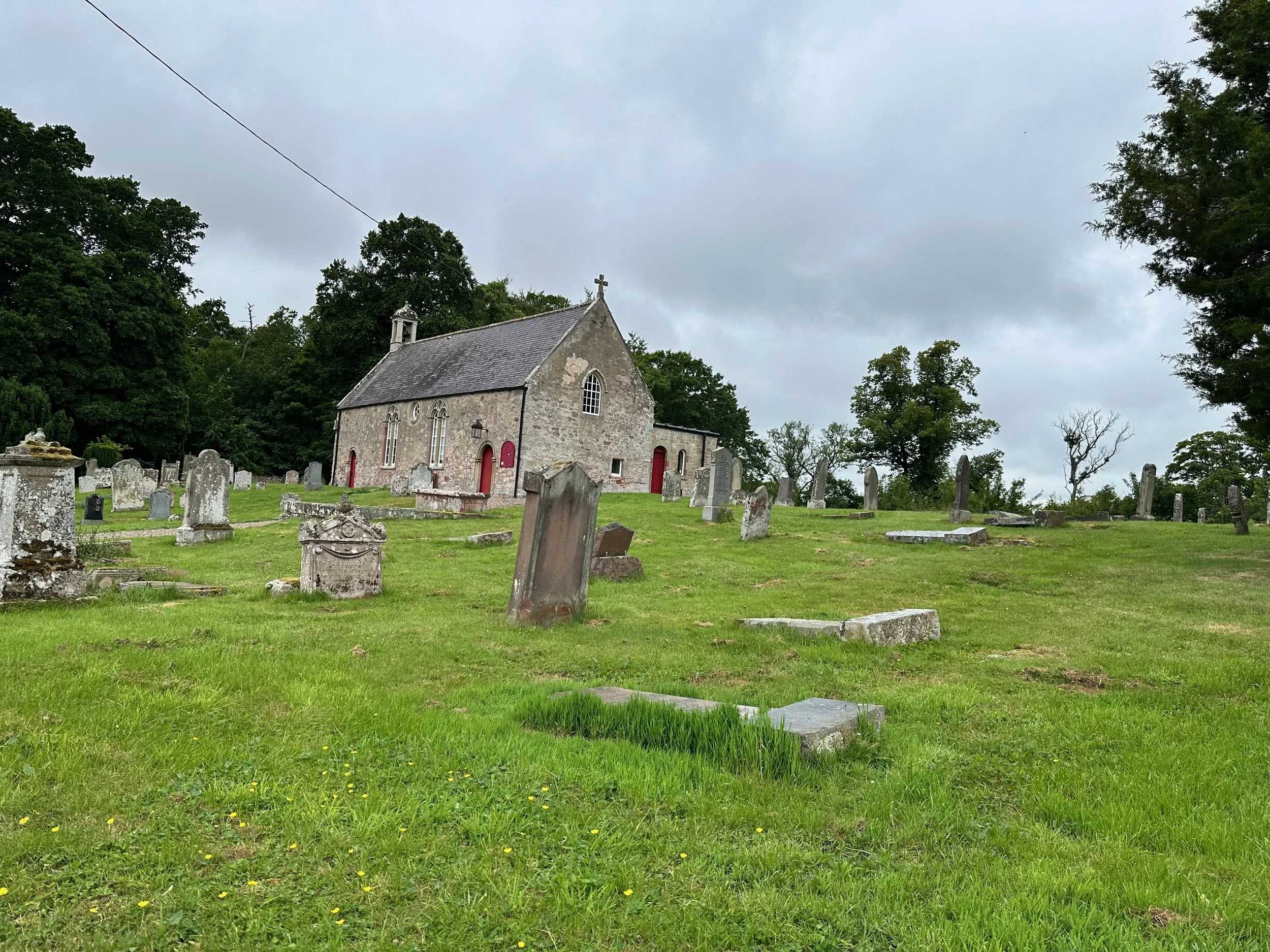
St. Cuthbert’s Way presents a unique opportunity for Fellows to immerse themselves in the deep history of the Christian faith. It allows them to connect to believers who followed Christ long before modern assumptions about church, culture or success. At the same time, this journey unfolds in a post-Christian setting, offering a real reminder of what it means to practice faith without cultural privilege. This contrast helps Fellows imagine faithful Christian witness marked by humility, courage and hope.
Living out our ecumenical values
The Nashville Fellows Program is intentionally ecumenical, drawing from the breadth of Christian tradition, and St. Cuthbert’s Way reflects this value. Christians from many denominations have trekked this path and will continue to trek this path, making it another opportunity for Fellows to prioritize unity without uniformity. Along the way, Fellows have even more chances to appreciate diverse expressions of faith while remaining rooted in historic Christian belief. We believe this heart posture is essential as Fellows learn to be leaders in the Church and in the world.
Taking time to reflect and integrate the year
The Fellows year is full, demanding and transformational. Pilgrimage gives our Fellows the time and space to slow down and reflect on all they’ve learned and experienced. The steady rhythm of walking creates room for prayer, conversation and quiet discernment. Fellows are able to carefully consider how God has been at work during the past nine months and how they are being called to live faithfully in their next season of life in our complex, ever-changing world.